01Smoking in a non-smoking community
A unit is returned with heavy smoke residue despite a non-smoking lease, and the next resident moves in in eight days.
For apartment communities
Make-ready schedules don't leave room for a unit that still smells. This guide covers how odor treatment fits into a turn process, unit by unit, and what to ask before you hire a vendor.
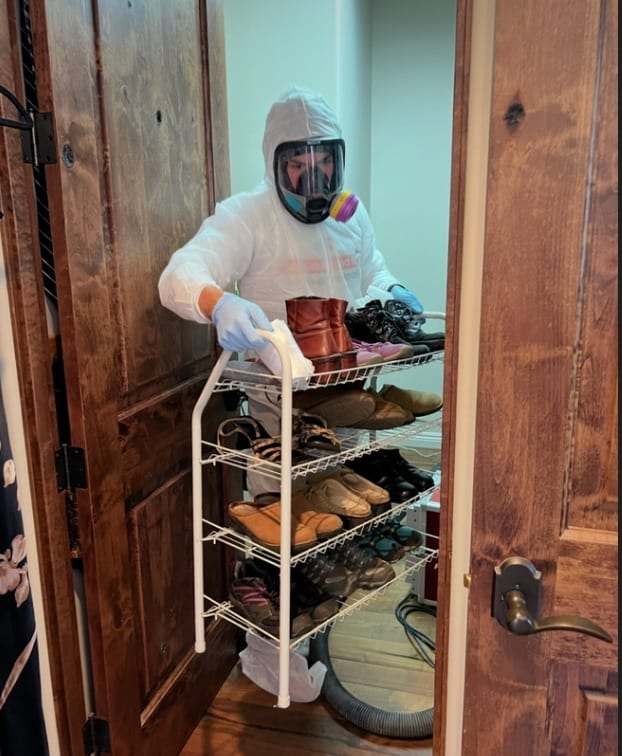
In apartment turns, paint, carpet cleaning, and repairs usually run on a set schedule.
Smoke residue bleeds through paint, cannabis resin clings to blinds and closets, and strong cooking odors stay in cabinets and vent hoods.
Assess the unit, scope what needs removal or treatment, and complete the work, including controlled whole-unit treatment when warranted, within the make-ready window.
Guides and worksheets for Centennial property managers and maintenance teams.
Most turns don't need odor work. The ones that do are usually obvious at the move-out walk: a smoker's unit, a musty unit after a leak, heavy cooking residue. Flagging those units early lets treatment slot into the make-ready without holding up the rest.
Do
Don't
A unit is returned with heavy smoke residue despite a non-smoking lease, and the next resident moves in in eight days.
A two-bedroom comes back with a discharged bear spray canister in a hall closet, and the residue makes eyes sting in every room.
A new resident reports a smell that returned after the previous turn's carpet cleaning.
Centennial, incorporated in 2001 in Arapahoe County, includes apartment communities near major corridors such as Arapahoe Road and I-25 alongside its largely single-family neighborhoods. Many of these communities are professionally managed on standardized turn schedules.
For those teams, an odor vendor that understands make-readies, scheduling, and documentation can reduce vacant days and repeat complaints, so ask about all three before signing on.
ZIP codes served: 80112 (Englewood), 80111 (Englewood), 80122 (Littleton), 80121 (Littleton), 80015 (Aurora), 80016 (Aurora).
Also nearby: 80124, 80130, 80237, 80126, 80014, 80231, 80113, 80222, 80120, 80129, 80224.
A well-run job slots into an existing turn schedule.
Identify sources and affected materials during or right after the move-out inspection.
Get a written scope and quote that fits the make-ready timeline.
Remove or treat affected materials and clean and seal surfaces as needed.
Perform a controlled chlorine dioxide treatment when warranted, followed by ventilation.
The unit goes back for paint and final clean on schedule.
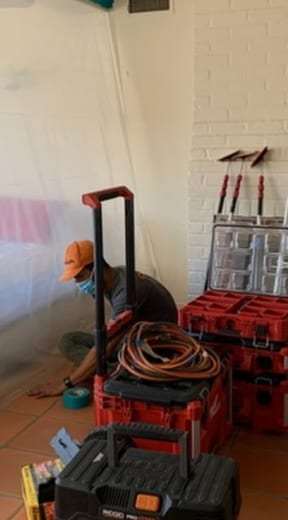
In an apartment building, that also means thinking about the neighbors: how the unit's vents and door gaps are handled during a vacant-unit treatment, posting the unit, and giving maintenance staff a clear re-entry time. Ask about shared HVAC systems at the assessment.
This form is not connected. This website is a draft preview: no business has been confirmed to receive requests, so the fields below are switched off and nothing can be sent. In an emergency, call 911.
Usually, if it's sequenced before paint and final cleaning. Whole-unit treatments require vacancy and ventilation time, which should be built into the schedule.
Many do. Explain how work orders and unit access are handled at the community up front, and ask how the vendor documents each unit.
Recurring odor often means a source wasn't removed, such as subfloor contamination. Ask whoever treated the unit what was done and what the next step is.
Treatments should be performed within the unit with appropriate preparation. Ask about building-specific considerations, like shared vents, before scheduling.
No. Fragrance only masks odor. Ask whether a vendor uses synthetic fragrances or ozone generators before you hire them.
Multi-unit pricing is usually quoted based on scope. Include your unit count when you request a quote.
Surface and enzyme treatments can usually be done with neighbors in place. Treatments that require the unit to be vacant, such as chlorine dioxide vapor, should be planned with the building in mind: ask in advance how shared vents and door gaps will be handled, and when the unit can be ventilated and re-entered.